Are you looking to lose weight, build muscle, improve your fitness, or feel healthier in your everyday life? The key to long-term success is developing healthy habits you can maintain. Sustainable weight management is not about quick fixes or extreme diets. It is about combining regular physical activity, balanced nutrition, strength training, and consistency to support your individual goals.
At Reach Higher Fit, we believe that every fitness journey starts with taking small, positive steps toward a healthier lifestyle. Whether you are a beginner or returning to exercise, understanding weight management can help you make informed choices and build a routine that works for you.
1. How to Lose Weight Sustainably
Sustainable weight loss begins with realistic expectations and habits you can maintain over time. Although progress varies from person to person, gradual changes are generally easier to maintain than restrictive diets or extreme workout plans.
Here are practical ways to support healthy weight management:
Build balanced meals: Include vegetables, fruits, whole grains, lean proteins, and healthy fats.
Stay physically active: Combine walking, cardio workouts, and strength training based on your abilities.
Prioritize sleep: Consistent, adequate sleep supports recovery and overall well-being.
Drink enough water: Hydration is important for normal body function and exercise performance.
Track meaningful progress: Consider energy levels, strength, endurance, and how consistently you follow your routine—not just the number on the scale.
Create realistic habits: Choose manageable changes that fit your schedule, preferences, and lifestyle.
Weight loss generally requires a sustained calorie deficit, meaning your body uses more energy than it takes in. However, severe calorie restriction is not necessary or appropriate for everyone. A registered dietitian or qualified healthcare professional can help you determine a suitable approach for your needs.
2. Best Weight Loss Workout Plan for Beginners
The best weight loss workout plan is one you can follow consistently while allowing your body to recover. A combination of cardiovascular exercise, strength training, and everyday movement can support fat loss, improve fitness, and help preserve muscle.
Example Weekly Workout Schedule
Monday: Full-Body Strength Training
Bodyweight squats
Wall push-ups or modified push-ups
Resistance band rows
Glute bridges
Plank variations
Tuesday: Cardio Workout
Brisk walking, cycling, swimming, or dancing
Start with a comfortable duration and build gradually.
Wednesday: Active Recovery
Gentle stretching, mobility exercises, or an easy walk
Thursday: Full-Body Strength Training
Repeat your strength routine, adjusting repetitions or resistance to your ability.
Friday: Cardio and Core
Walking, cycling, or another activity you enjoy
Add beginner-friendly core exercises if comfortable.
Saturday: Fun Physical Activity
Hiking, recreational sports, dancing, or a longer walk
Sunday: Rest and Recovery
Relax, prepare for the upcoming week, and plan your workouts.
If you are new to exercise, begin with shorter sessions and lighter resistance. Gradually work toward public health recommendations of at least 150 minutes of moderate-intensity aerobic activity per week and muscle-strengthening activity on at least two days per week, as your health and fitness allow.
Remember, the most effective workout routine is one that fits your life and that you can maintain.
3. Body Composition Transformation: More Than a Number on the Scale
Body composition refers to the proportions of fat mass and fat-free mass in your body. Fat-free mass includes muscle, bones, organs, and other tissues.
A body composition transformation focuses on improving the balance of fat mass and lean mass rather than simply trying to make the scale move downward.
Strength training, adequate protein intake, balanced nutrition, and consistent physical activity can help support muscle development and healthy body composition.
To monitor your progress, consider:
Improvements in strength and exercise performance
Changes in waist measurements or how clothing fits
Increased stamina and daily energy
Progress photos, if comfortable for you
Body composition measurements interpreted with appropriate context
Body weight naturally fluctuates because of hydration, digestion, hormones, and other factors. Avoid judging your progress by a single measurement. Look at longer-term trends and improvements in your overall health and fitness.
4. Fat Loss vs. Muscle Gain: Understanding the Difference
Fat loss and muscle gain are related but different fitness goals.
Fat loss means reducing stored body fat. A sustainable nutrition plan, regular physical activity, and strength training can help support this goal.
Muscle gain means increasing muscle size and strength. Resistance training, adequate nutrition, sufficient protein, and recovery are essential parts of the process.
It is possible for some people—particularly beginners or people returning to training after a break—to lose fat and build muscle at the same time. This is often called body recomposition. Results depend on training history, nutrition, recovery, genetics, and other individual factors.
For a balanced approach:
Strength train consistently.
Include cardio for cardiovascular health and endurance.
Eat enough protein and a variety of nutrient-rich foods.
Increase training difficulty gradually.
Get adequate rest between demanding workouts.
Rather than focusing exclusively on losing weight, consider building strength, improving stamina, and developing habits that support long-term health.
5. Healthy Meal Prep for Fitness and Weight Management
Healthy meal prep can make it easier to stay organized, eat balanced meals, and reduce the stress of deciding what to eat each day.
You do not need complicated recipes or expensive ingredients. Start with simple meals that include protein, fiber-rich carbohydrates, vegetables or fruit, and healthy fats.
Easy Meal Prep Ideas
Breakfast: Oatmeal with berries and Greek yogurt, or eggs with whole-grain toast and fruit.
Lunch: Grilled chicken, tofu, or beans with brown rice and mixed vegetables.
Dinner: Baked fish, chicken, or lentils with roasted vegetables and potatoes.
Snacks: Fruit, yogurt, hummus with vegetables, or nuts in suitable portions.
Tips for Successful Meal Prep
Plan a few meals before shopping.
Prepare ingredients in batches to save time.
Keep convenient protein and fiber-rich foods available.
Use a variety of ingredients to make meals enjoyable.
Store food safely and refrigerate prepared meals promptly.
Choose portions that support your hunger, activity level, and individual needs.
Healthy eating does not require perfection. A flexible, balanced approach can help you build a routine that is easier to sustain.
6. How Fitness Equipment Can Support Your Weight Management Goals
The right fitness equipment can make it easier to exercise at home, stay consistent, and work toward your fitness goals.
Consider equipment that matches your space, budget, and experience level, such as:
Resistance bands for strength training
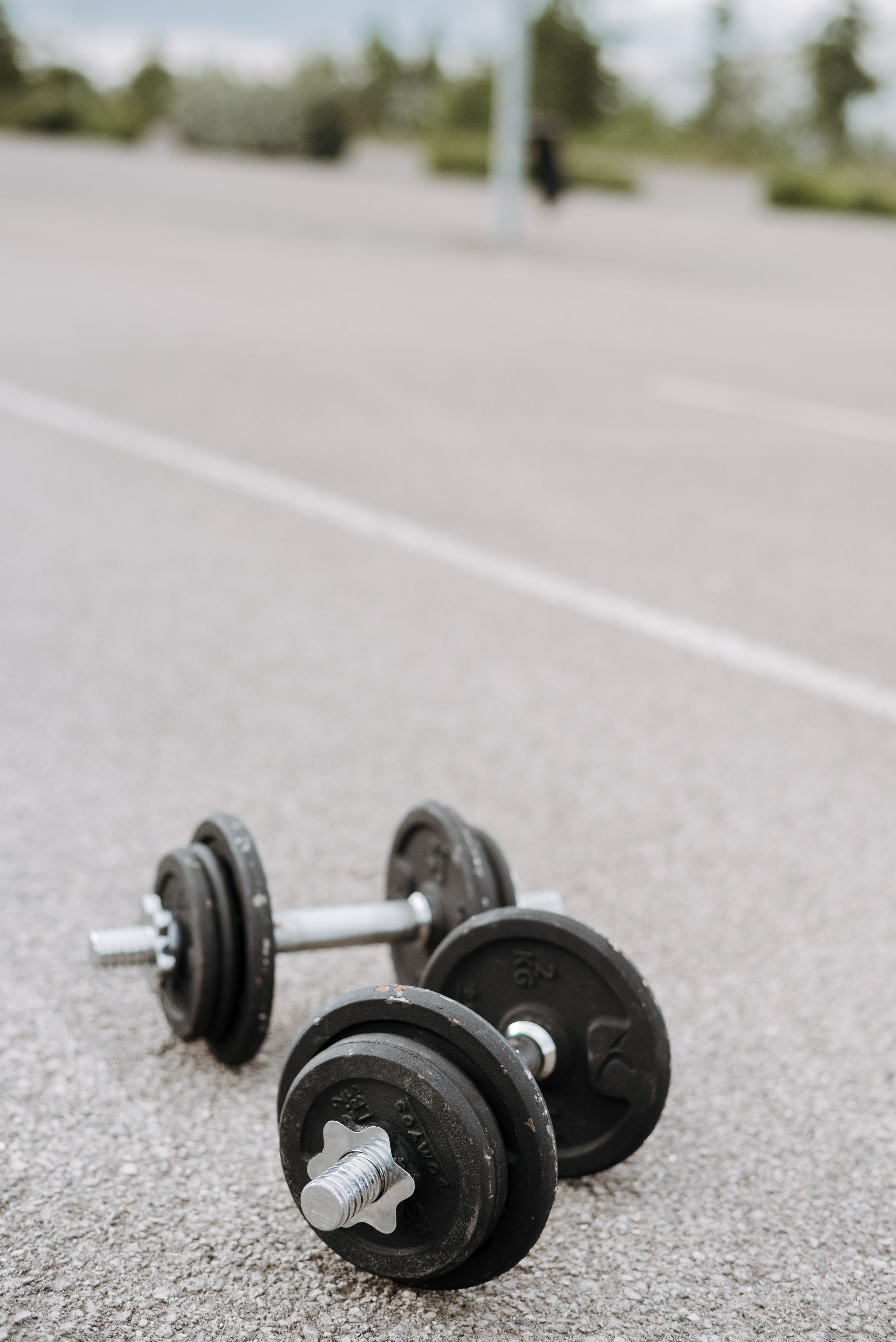
Dumbbells for full-body workouts
Exercise mats for floor exercises and stretching
Cardio equipment for indoor aerobic exercise
Fitness accessories that support your preferred activities
You do not need a fully equipped gym to make progress. Bodyweight exercises, walking, and a few versatile pieces of equipment can provide a useful starting point.
Visit Reach Higher Fit to explore our fitness and wellness website as you plan your workouts and build a healthier routine.
Final Thoughts: Build Healthy Habits That Last
Sustainable weight management is about more than quick weight loss. It involves finding a balance between physical activity, strength training, nutritious meals, sleep, and realistic goals.
Whether you are starting a weight loss workout plan, working toward a body composition transformation, focusing on fat loss versus muscle gain, or preparing healthy meals for the week, remember that consistent habits matter more than perfection.
Take your fitness journey one step at a time, celebrate progress beyond the scale, and choose routines you can maintain.
Ready to take the next step in your fitness journey? Visit Reach Higher Fit and keep moving toward your goals.
Health disclaimer: This article is for general educational purposes and does not replace individualized medical or nutritional advice. Consult a qualified healthcare professional before making significant changes to your diet or exercise routine, especially if you have a medical condition or other health concerns.
