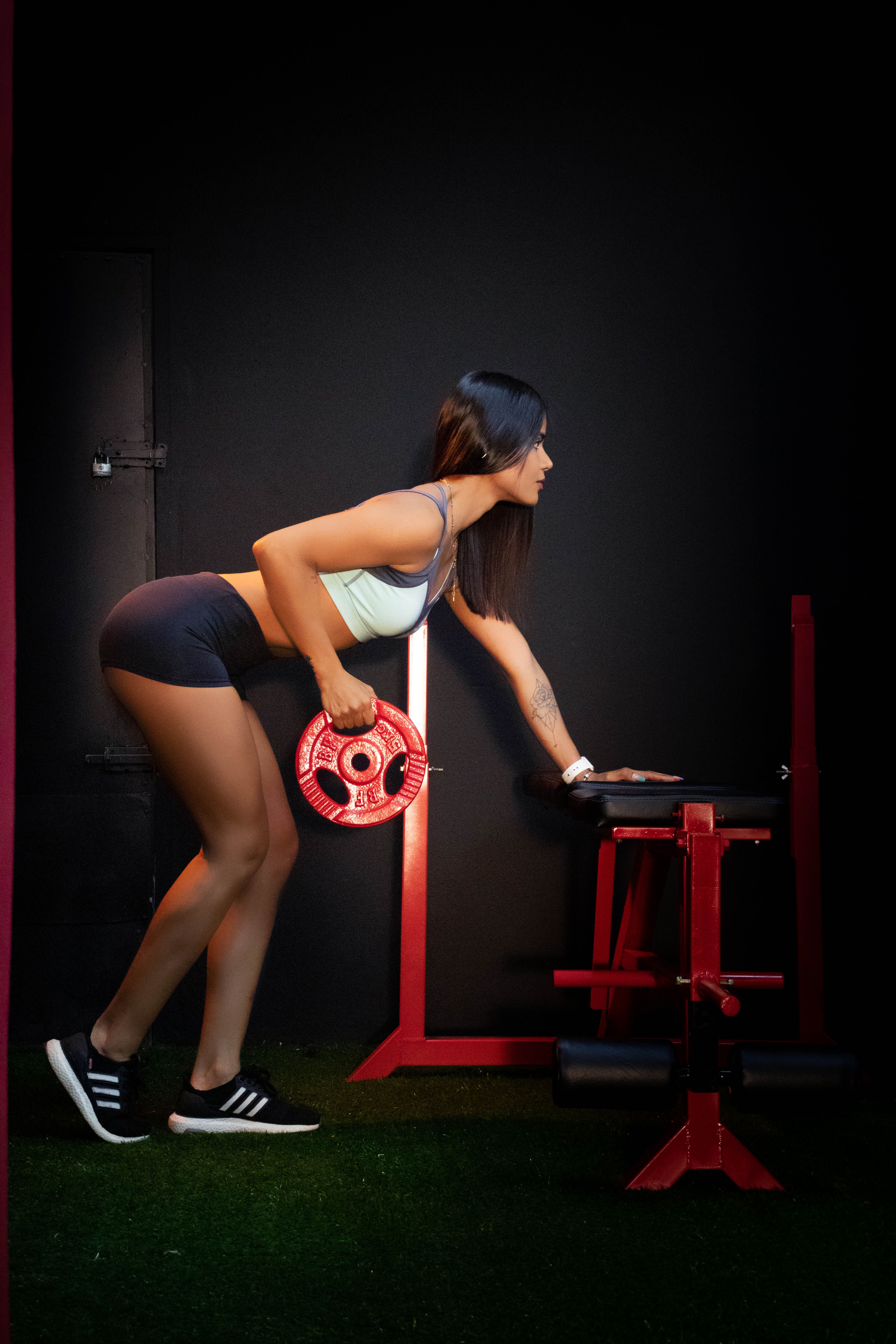
Whether you’re new to fitness or looking to take your workouts to the next level, weightlifting and strength training are excellent ways to build muscle, improve endurance, and support a healthier lifestyle. At Reach Higher Fit, we believe that having the right knowledge, consistency, and fitness equipment can help you reach your goals one workout at a time.
In this guide, you’ll discover a beginner weightlifting routine, progressive overload techniques, the difference between compound and isolation exercises, strength training tips for women, effective hypertrophy workouts, and essential home gym weightlifting equipment.
1. Beginner Weightlifting Routine: Where to Start
Starting a weightlifting program doesn’t have to be complicated. Beginners can build a strong foundation with a full-body workout performed two or three days per week, allowing time for recovery between sessions.
Beginner full-body strength training routine:
Bodyweight squats or goblet squats: 2–3 sets of 8–12 repetitions
Dumbbell bench press or wall push-ups: 2–3 sets of 8–12 repetitions
Dumbbell rows: 2–3 sets of 8–12 repetitions
Dumbbell Romanian deadlifts: 2–3 sets of 8–12 repetitions
Dumbbell shoulder presses: 2 sets of 8–12 repetitions
Plank: 2–3 sets of 15–30 seconds
Begin with a light weight that allows you to maintain proper form. Warm up before lifting, rest between sets, and increase the difficulty gradually as your strength improves. If you’re new to exercise or have an existing health concern, consult a qualified professional before beginning a new program.
2. Progressive Overload Techniques for Building Strength
Progressive overload is one of the most important principles of strength training. It means gradually increasing the demands placed on your muscles so your body can adapt and become stronger over time.
You can apply progressive overload in several ways:
Increase the weight: Add a small amount of resistance when your current weight becomes manageable.
Perform more repetitions: Increase your repetitions while maintaining good technique.
Add another set: Gradually increase your total training volume.
Improve your technique: Use controlled movements and a consistent range of motion.
Increase workout difficulty: Choose a more challenging variation when you’re ready.
For example, if you can comfortably complete three sets of 10 dumbbell squats, you might gradually work toward 12 repetitions before increasing the weight.
The key to progressive overload is patience. Avoid increasing weight too quickly, and give your muscles adequate time to recover. Consistent progress is more valuable than lifting heavier weights with poor form.
3. Compound vs. Isolation Exercises: What’s the Difference?
Understanding compound and isolation exercises can help you build a more effective workout routine.
Compound exercises work multiple muscle groups and joints at the same time. Examples include squats, deadlifts, lunges, bench presses, and rows. These movements are excellent for developing overall strength and making efficient use of your workout time.
Isolation exercises primarily target one muscle group. Examples include biceps curls, triceps extensions, lateral raises, and leg extensions. These exercises can help you focus on specific muscles and complement your main lifts.
For a balanced strength training program, start with compound exercises and add isolation movements based on your individual goals.
For example, a workout might include squats, dumbbell rows, and chest presses, followed by biceps curls and lateral raises.
Combining both exercise types can support muscle growth, improve strength, and help you create a well-rounded fitness routine.
4. Strength Training for Women: Build Muscle and Confidence
Strength training for women offers many benefits beyond appearance. Regular resistance exercise can help improve muscular strength, support bone health, enhance everyday movement, and make physical activities feel easier.
Women do not need an entirely different approach to weightlifting. A well-designed strength training program can include squats, deadlifts, presses, rows, lunges, and core exercises, adjusted to individual experience and goals.
Common benefits of strength training include:
Building and maintaining lean muscle
Improving muscular endurance and functional strength
Supporting healthy bones as part of an active lifestyle
Improving balance, stability, and coordination
Supporting body composition goals when combined with appropriate nutrition
Increasing confidence in the gym and during daily activities
You do not need to lift extremely heavy weights to get started. Choose a manageable resistance, practice proper technique, and gradually increase the challenge as you become stronger.
The best strength training routine is one you can follow consistently and adapt as your fitness level changes.
5. Best Hypertrophy Workout for Muscle Growth
Muscle hypertrophy refers to an increase in muscle size. An effective hypertrophy workout combines challenging resistance exercise, adequate training volume, proper recovery, and sufficient nutrition.
For many people, moderate weights and sets of approximately 6–15 repetitions can be effective for muscle growth, although a wider range of repetitions can work when sets are sufficiently challenging.
Example full-body hypertrophy workout:
Goblet squats: 3 sets of 8–12 repetitions
Dumbbell Romanian deadlifts: 3 sets of 8–12 repetitions
Dumbbell bench press: 3 sets of 8–12 repetitions
One-arm dumbbell rows: 3 sets of 10–12 repetitions per side
Dumbbell shoulder presses: 2–3 sets of 8–12 repetitions
Biceps curls: 2 sets of 10–15 repetitions
Triceps extensions: 2 sets of 10–15 repetitions
Rest long enough between sets to maintain good technique and performance. Train consistently, eat enough protein and overall calories to support your goals, and allow time for muscle recovery.
Beginners can start with fewer sets and gradually build their training volume. You do not need to exhaust yourself in every workout to make progress.
6. Home Gym Weightlifting Equipment: Build Your Workout Space
You don’t need a large commercial gym to start strength training. With the right home gym weightlifting equipment, you can create a convenient workout space that fits your lifestyle, budget, and available room.
Consider these useful options:
Adjustable dumbbells: Offer multiple resistance levels in a compact design.
Resistance bands: Provide versatile resistance for strength exercises, warm-ups, and mobility work.
Kettlebells: Support movements such as goblet squats, deadlifts, and carries.
Weight bench: Provides support for presses, rows, and other dumbbell exercises.
Barbell and weight plates: Allow for a range of compound lifts when you have the appropriate space and safety setup.
Exercise mats: Add comfort for floor exercises, stretching, and core workouts.
Power rack or squat rack: Can support barbell training when properly installed and used with appropriate safety equipment.
Before purchasing home gym equipment, consider your fitness goals, available space, budget, and current experience level. Beginners can start with a few versatile pieces and expand their collection over time.
Visit Reach Higher Fit to explore our fitness and wellness website as you plan your workout routine and home fitness setup.
7. How to Stay Consistent With Your Strength Training Goals
Building strength takes time, but small habits can make a big difference. Set realistic goals, keep track of your workouts, and celebrate improvements in your technique, repetitions, and resistance.
To stay on track:
Schedule workouts that fit your weekly routine.
Record your weights, sets, and repetitions.
Focus on proper form before increasing resistance.
Include rest days and get adequate sleep.
Support your workouts with balanced nutrition and hydration.
Choose fitness equipment that makes exercising convenient and enjoyable.
Remember, progress is not always measured by how much weight you lift. Improved control, better endurance, and consistent training are all meaningful signs of progress.
Final Thoughts: Reach Higher With Weightlifting and Strength Training
Weightlifting and strength training can help you build muscle, develop confidence, improve functional strength, and create healthier habits. Whether you’re following a beginner weightlifting routine, using progressive overload to increase strength, training for muscle hypertrophy, or setting up a home gym, consistency is the foundation of long-term progress.
Start with manageable goals, learn proper technique, and challenge yourself gradually. With patience and dedication, every workout can bring you one step closer to becoming stronger and healthier.
Ready to take your fitness journey further? Visit Reach Higher Fit and keep reaching higher with your fitness goals!
Fitness disclaimer: This article provides general educational information and is not a substitute for individualized medical advice or professional exercise instruction.
